Good Neighbors Make Good Neighborhoods
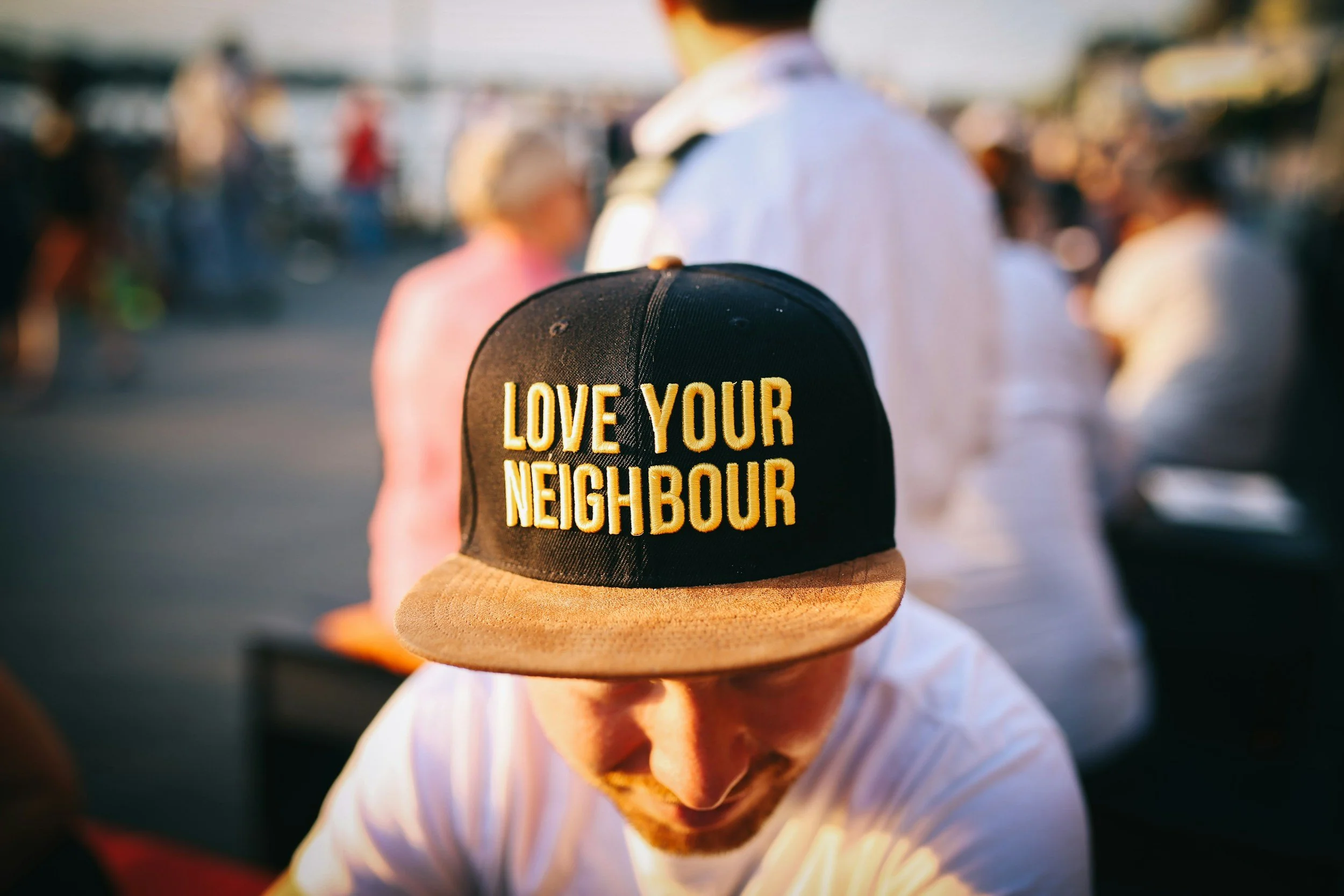
You know the one thing I don't like about the inevitability of gentrification? The people who move into established neighborhoods and do two things: a) contribute very little to the community, and b) fail to acknowledge the people who were there long before them.
I bought my house after renting it for five years. I've now owned it for eight. It sits on a double lot in a Richmond neighborhood that outranks the other 21 places I've lived in this city. Yes, I know. I've moved a lot.
And the best thing about my neighborhood? My neighbors.
When I first moved here, I was greeted by just about everyone, including sweet Mrs. Sharon, who had lived in her home for more than 35 years. The neighborhood was diverse, historic, well-kept, and full of people who knew one another. There was a genuine sense of community, the kind you can't manufacture with a HGTV renovated kitchen.
Fast-forward to today. Home prices have climbed, houses have changed hands, and younger families have begun moving in. None of this was particularly surprising. It's the familiar trajectory of an increasingly desirable historic neighborhood. What I didn't anticipate was the noticeable shift in neighborliness.
Mrs. Sharon sold her house. So did several other longtime residents on our street. And while new neighbors have moved in, some seem perfectly content to live beside a community without ever becoming part of it. Mrs. Johnson, who lives across the street, has called this neighborhood home for more than 25 years. “I've seen this neighborhood change over the years, and this is the first time I've spent my afternoons on the porch while people pass by with barely a nod,” she told me.
And she's right.
We've watched newcomers walk right past our porch without so much as a glance. No hello. No wave. Not even that little half-smile you give someone when you're not particularly in the mood to talk.
Now, I'm not suggesting everyone needs to become best friends with the people next door. Some of us are introverts. Some of us are busy. And some of us simply don’t like people and want to get home, take off our shoes, and be left alone. Fair, but there's a difference between valuing your privacy and failing to acknowledge the people who share your community.
You Bought the House. What About the Neighborhood?
Here's the thing about moving into an established neighborhood: you're not arriving at a blank slate. They aren’t looking to you to “change” the culture. You're becoming part of a place that already has a history, a personality, and people who helped make it desirable in the first place.
That beautiful old tree shading your sidewalk? Someone probably spent decades watching it grow. The neighbor who's been tending the same flower beds for 30 years? They've been contributing to the character of your street long before anyone started describing the area as up-and-coming. And the families who've lived there through the less fashionable years? They deserve more than to become invisible as property values rise.
A neighborhood doesn't suddenly become valuable when someone with a renovation budget discovers it. It was already valuable to the people who called it home.
Progress Shouldn't Come at the Expense of Community
I'm not opposed to new neighbors, renovations, or people discovering the beauty of Richmond's older neighborhoods. Quite the opposite. As a Realtor, I spend a good deal of my time helping people find places where they can put down roots, but I think there's a responsibility that comes with moving into an established community.
Learn a little about its history. Introduce yourself to the people next door. Support the businesses that have been there for years, not just the shiny new ones. Respect the people who helped build the neighborhood you were so excited to move into. And seriously, wave when someone waves at you.
It's not complicated.
For a city that prides itself on its history, diversity, and sense of community, we still have some work to do when it comes to how we view one another. Richmond is a city of neighborhoods. Ask anyone who's lived here long enough, and they'll probably tell you that where you live has always carried a certain amount of meaning.
The Fan. Church Hill. Jackson Ward. The West End. Northside. Southside.
Each has its own history, personality, and reputation. And whether we like to admit it or not, those reputations aren't always based on what a neighborhood actually is. Sometimes they're based on who lives there, how much the houses cost, or what someone heard about it 20 years ago.
Borrowing the Sugar Goes a Long Way
November 13 is World Kindness Day, and while I appreciate the sentiment behind a designated day of kindness, I think we could stand to practice a little more of it the other 364 days of the year. Especially right outside our own front doors.
You don't have to organize a neighborhood cleanup, host a block party, or invite everyone over for Sunday dinner. Just start with hello. Learn the name of the person who's lived across the street for 25 years. Ask about the neighborhood before you arrived. Offer to lend a hand when you see someone struggling with their groceries. Be curious about the people around you.
Because when we talk about preserving the character of Richmond's neighborhoods, we should remember that character isn't just found in architecture. It's also found in the people.
Start with a hello, it goes a long way!