

Home is more than four walls and roof. Home is a door opening to you, your family, your pets, your lifestyle, your neighborhood, your community, your city. It’s all encompassing on so many levels.

Here Kitty, Kitty
Designing with Leo in Mind: Bring a little August energy home with bold color, warm textures, statement pieces, and just the right touch of drama. Check out our newest listing — in the style of Leo.
August. It’s hot, it’s golden, it’s dramatic, and it has absolutely no intention of slipping quietly into fall. To put it celestially, it’s Leo season.
Ruled by the sun and generally associated with warmth, confidence, creativity and a certain appreciation for being noticed, Leo provides surprisingly good inspiration for interiors. And no, this does not mean adorning your house in lions and zodiac symbols.
Don’t do that or we are in kitsy territory. Instead, think about what makes a room feel confident. What makes you stop when you walk into it? What makes a house feel less like it was decorated from a catalog and more like someone bold actually lives there?
For a little August experiment, we took one of our Corva listings and gave it some Leo energy, virtually, of course. Just a little inspiration to see what this cool home can look like underneath the guise of our kitty friend.
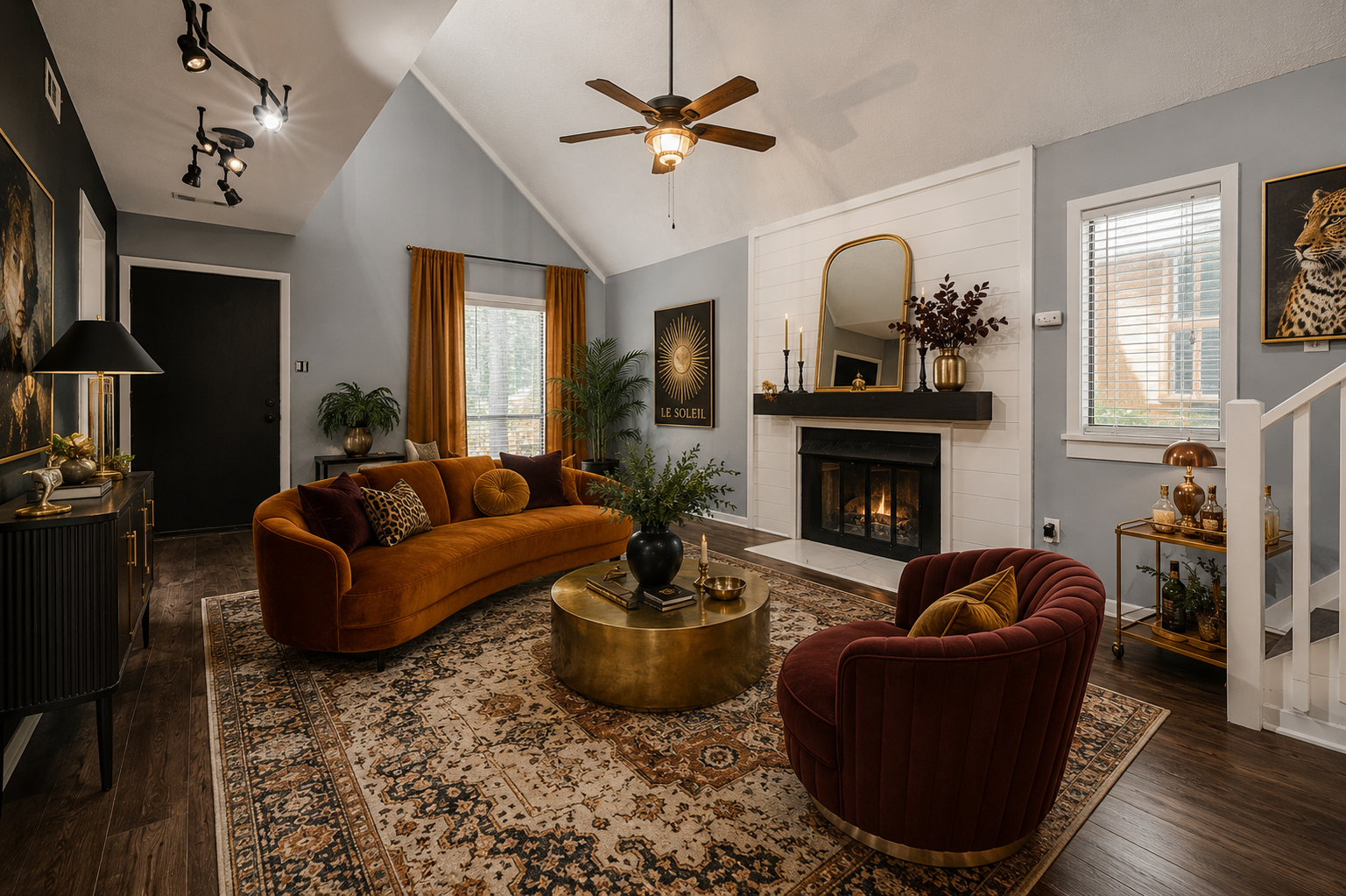
Adding some rich color and drama makes this living room perfect for cozy eves.
Start With the Sun
Leo is ruled by the sun, so warmth is an obvious place to begin.
Gold, amber, ochre, cognac, rust and warm caramel can completely change the temperature of a cool or neutral room without touching the paint. Even a gray room suddenly feels warmer when you bring in honey-colored woods, aged brass, golden textiles and warm lighting.
And you don't need all of them. One beautiful ochre chair may do more for a room than a ton carefully coordinated beige accessories ever could.
Every Room Needs a Diva
This might be the most important rule. Every room needs one thing that knows it's fabulous. Something that gets people talking. Maybe it's an oversized piece of art. A velvet sofa. A vintage mirror. An outrageous lamp. A sculptural chair. A rug you'd normally be afraid to buy.
The trick is letting that piece have the room. If the sofa is the diva, the rug doesn't also need to be a superstar.
That balance is what keeps bold decorating sophisticated instead of chaotic.
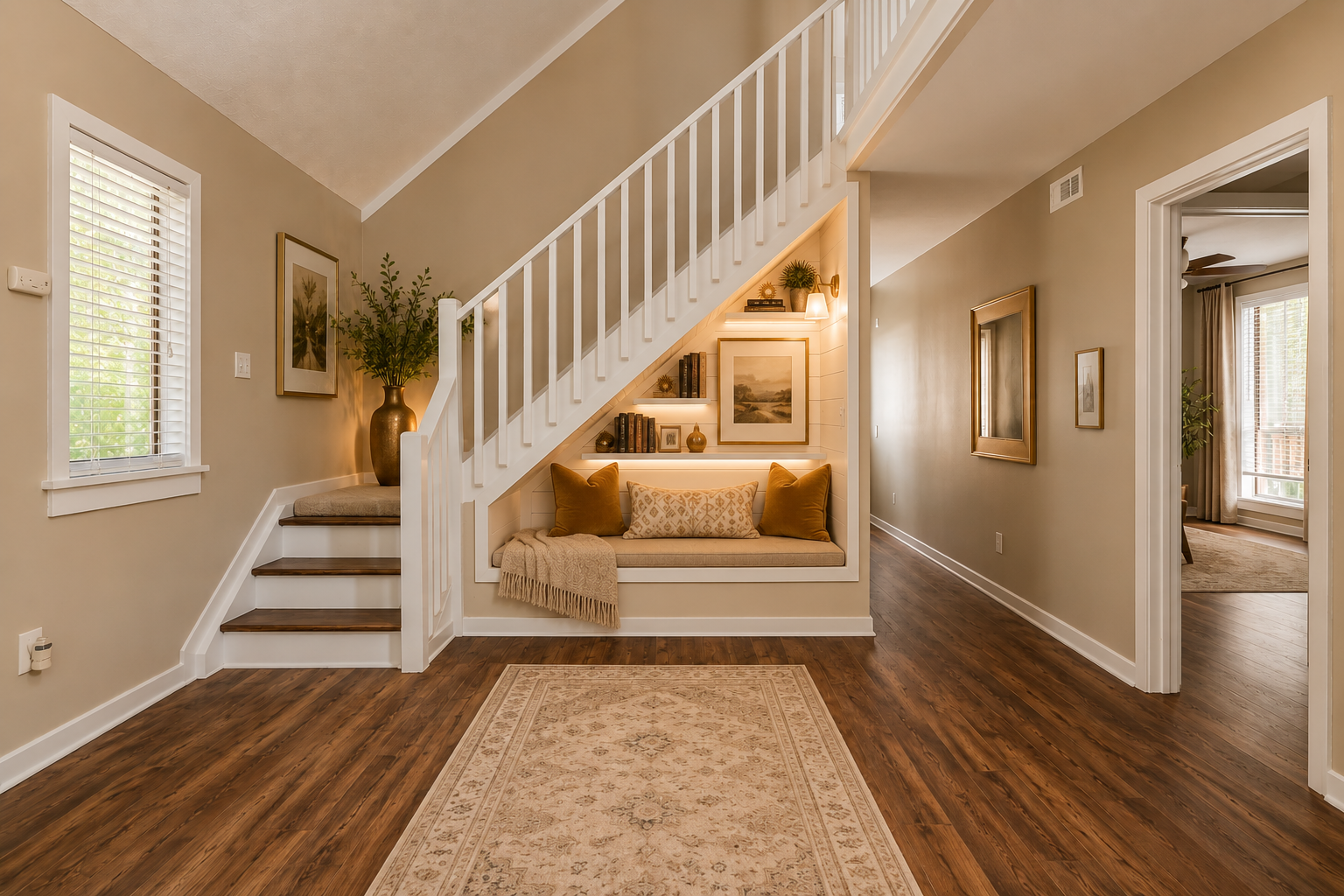
Creating a functional space
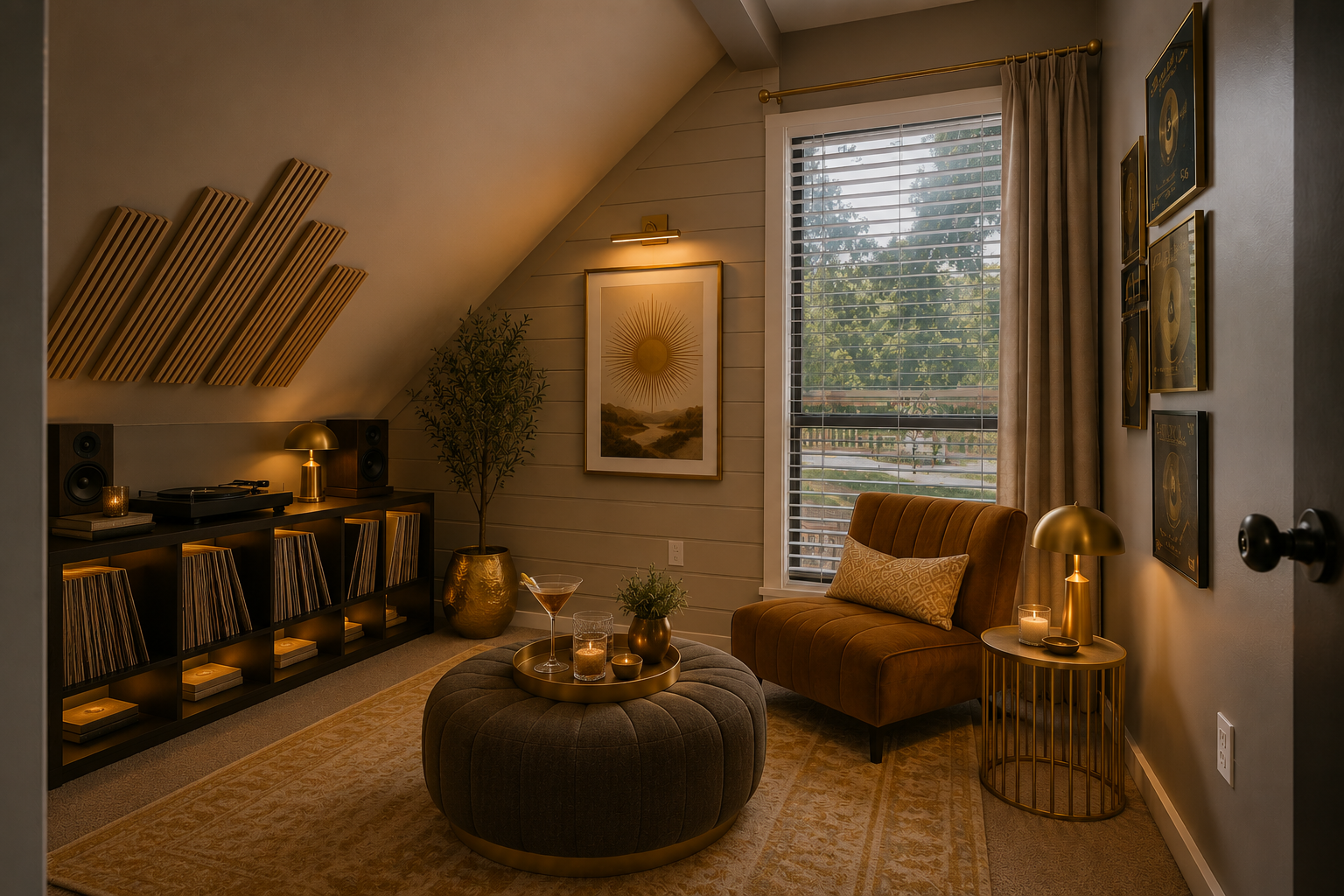
Taking a small space and making it your own
Bring in a Little Gold
Leo and gold are natural companions, but there is a very fine line between warm glamour and Vegas hotel lobby. And yes, we do know gold has been overplayed in all trendy aesthetics, but to is a true classic when it comes to finishing rooms off.
We prefer aged brass, antique gold, warm bronze and metals with a little patina for that old world feel.
A mirror frame, lamp, side table, picture frame or hardware can catch the light beautifully without making the entire room look like it won a trophy.
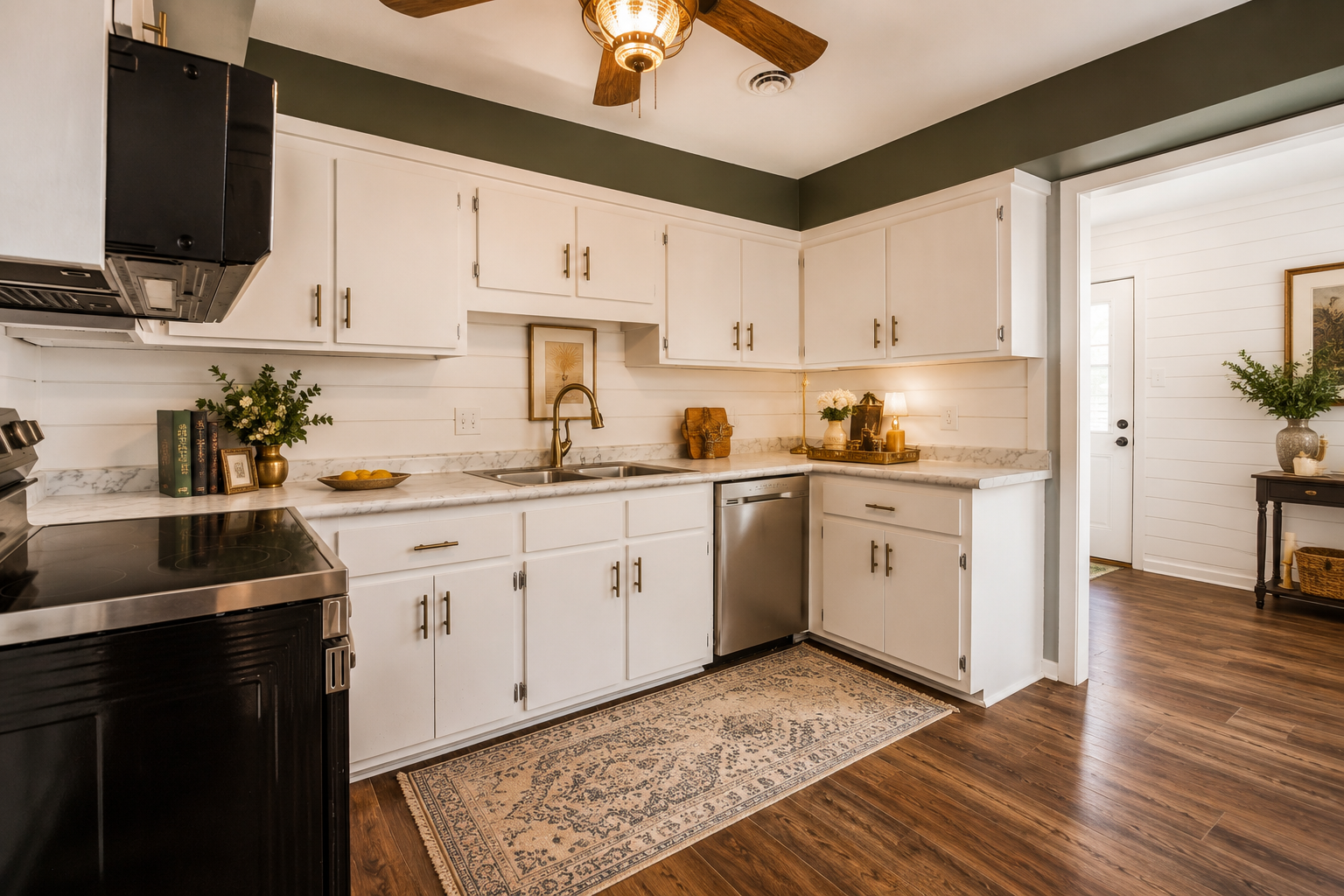
Elevate the kitchen area with new pulls, adding some fresh flowers, and rug to bring it all together
Don't Be Afraid of Drama
Somewhere along the way, decorating became very concerned with resale. Ew. This is not what we tell our sellers to do for their listings. We cannot tell you how bored we are with beige, greige, and the neutrality of HGTV styled homes.
We don’t like forgettable. We want homes to feel lived in so that you can feel like you want to live there. We aren’t going for that showroom look.
Hang the giant painting. Buy the weird chair. Display the thing you brought home from a trip. Put wallpaper somewhere unexpected. Mix an antique with something completely modern.
A home doesn't have to appeal to everyone. In fact, the most memorable ones rarely do. Leo is all about shaking that mane.
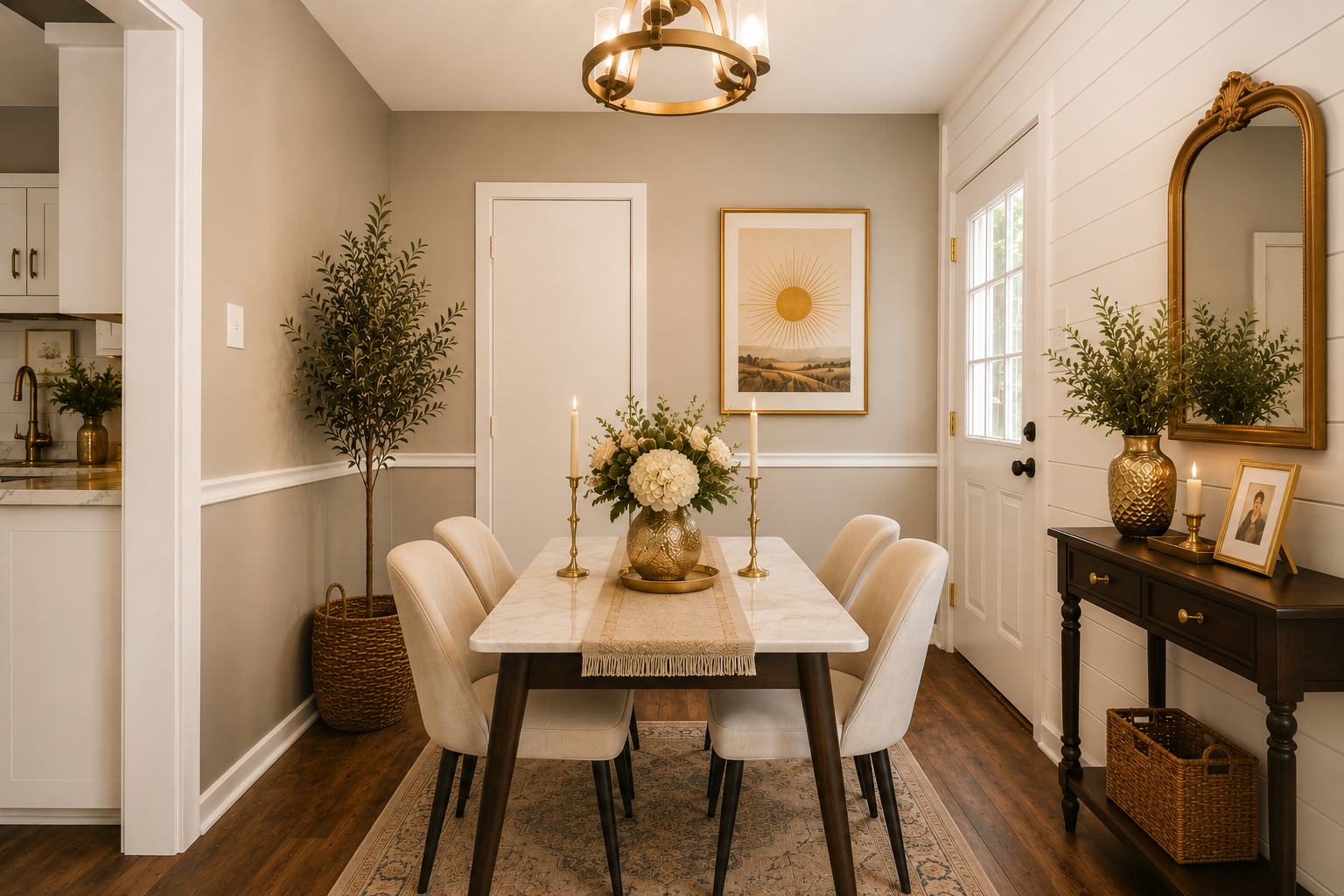
Adding gold accents and velvety textures changed the mood of this room instantly
Animal Print Is Practically a Neutral
The problem with animal print decor is that people overdo it. It can make a statement in its soloness. Choose animal print decorative pillows, a small upholstered stool, a vintage zebra-patterned rug? They are statements that don’t shout at you.
Used sparingly, animal prints have been wandering in and out of sophisticated interiors for decades. They add pattern without requiring an entire color scheme to be built around them.
Give Yourself Something Luxurious
Leo energy isn't only about being seen. There's also something wonderfully indulgent about it. So bring in something that simply feels good.
Velvet. Linen sheets. An absurdly soft throw. A reading chair you can disappear into. Beautiful glassware you stop “saving for company.” Fresh flowers on an ordinary Tuesday.
Luxury doesn't necessarily mean expensive. Sometimes luxury is simply using the good stuff.
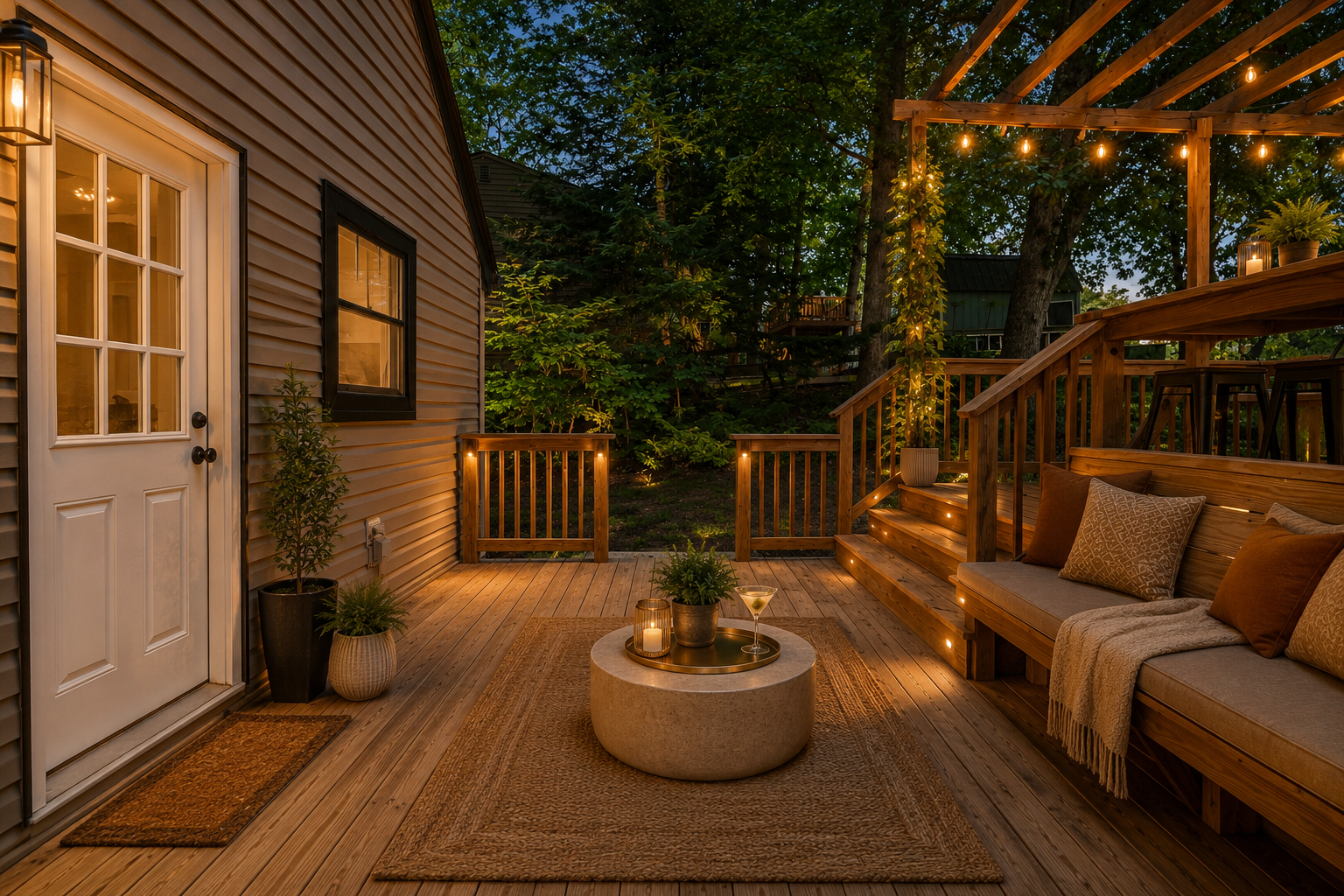
Leo energy can be found outside too. Add some soft outdoor lighting, textiles, and voila you have some seasonal drama on your hands.
Let Your House Have a Personality
We spend a lot of time in real estate talking about houses in terms of bedrooms, bathrooms, square footage and resale value. Those things matter, but eventually, somebody has to live there.
Utilizing nooks and unthinkable spaces can become useable and standout spaces. Sometimes buyers will walk into an empty home and don’t see the potential of what a home can bring. What looks like an empty boring space can become a sophisticated and lived in invitation. When did we stop showing off our homes? Let it roar with drama as the Fall and holidays approach!

Lunch Lady Blues
Practical back-to-school lunch tips for busy families, from bento boxes and lunch stations to leftovers, grab-and-go snacks, and letting kids pack their own.

Time is strange, I feel the older we get the faster it goes. In Richmond, we are in the closing stretch of a hot, wet, American summer. The World Cup is behind us, we are a Quarter Millennial years old, and we are prepping for one of the most important times of the year—BACK TO SCHOOL!
Since 2019, we’ve had to expedite our transition from an after Labor Day start to a Dog Days of Summer one. This means, we have to prep our homes earlier for the celebratory mimosa salute. And while there's the whole business of organizing and designating school supplies, plus the swimsuit-to-backpack transition, there's also the matter of LUNCH.
My 13 year old step-daughter is infamous for making mascara and “fit” time priority over wise lunch choices. Let’s be honest, I really hate that she eats a “chicken thingy and a piece of lettuce” for lunch. I’ve also never met a child who wasn’t into a sandwich—ham and cheese on Wonder bread were my mainstays! I honestly think kids have just been spoiled with a myriad of food choices in restaurants. I also have the dilemma of throwing away tons of uneaten food leftovers due to forgetfulness and dining schedules.
I have decided to do this new school year a little differently so she gets the nutrition she needs and the food she wants in an efficient manner. Let’s go…
Invest in a Insulated Bento Box or Food Thermos
This will not only provide your kid with a variety of meals, but also help you get rid of leftovers and keep their meals warm!
Shop Now »
They Can Make Their Own Lunches!
I was making sandwiches at five. It isn’t rocket science.
Teaching kids to make their own lunches helps enormously on crazy mornings, but it’s also one of those little life skills that builds independence without them even realizing it.
Make lunch prep part of the bedtime routine. Little ones can use fun sandwich cutters, choose their fruit, or help portion carrots, chips, crackers and cheese into snack bags. Older kids and teens? Hand over the reins. If they’re old enough to perfect winged eyeliner, they can assemble a wrap.
Shop Now »
Designate Fridge Space
Get a few fridge organizers that have your pre-cut and pre-bagged items, cheese and deli meats, and dips. This will make it easier for them to grab and go if there is a morning rush. They also feel like it’s their space. Speaking of dips, don’t be afraid to collect their favorites at frequented local restaurants—that’s a money saver. If they get “embarrassed” by that, just pick up a few condiment containers to transfer them to.
Shop Now »
Stop Buying What They Don’t Eat
She used to eat PB&J like it was going out of style, but now baby girl wants muffalatas and sushi. Trust me, stop buying them what they won’t eat and replace it with something they enjoy. Stock up on their favorites, but make sure they hit all the important food groups including a little dessert.
The goal isn't to pack the lunch that looks the healthiest when it leaves your kitchen. The goal is for them to actually eat it.
Utilize the digital family calendar, a shared Note, or a posted sheet for letting them add the things they want on their lunch menu.
Noteworthy
I think it’s super cute and also just a good way to communicate with your kid to leave a note in their lunch. Doesn’t have to be a lot, just a quick post it to let them know you think about them. You can make it fun by letting them fish it out of a bowl before they jet out of the house. Here are a few good ones:
In case nobody told you today: you’re pretty damn great.
I hope something unexpectedly good happens today.
Bad morning ≠ bad day.
Be kind. Be brave. Show ‘em what you got.
Whatever happens today, home is waiting.
Your eyeliner is probably perfect. Now eat your lunch.
No, there are no extra snacks.
This lunch cost approximately 1/14th of a DoorDash order.
Eat the fruit. I’m serious.
Yes, there’s dessert. No, you may not eat it first.
Consider this your formal reminder to hydrate.
Enjoy this lunch, pizza may await you later.
At the end of the day, back-to-school prep isn’t about creating a perfectly organized refrigerator or sending your kid off with a lunch worthy of Instagram. It’s about making the house work a little better when life gets busy again.
Give them a space, give them some choices, teach them to do a few things for themselves, and stock the kitchen with food they’ll actually eat. If we can cut down on the morning chaos, waste a little less food, and keep our kids from surviving the school day on a chicken thingy and a piece of lettuce, I’m calling it a W (ugh that felt gross writing). You can teach them to say complete words as well!
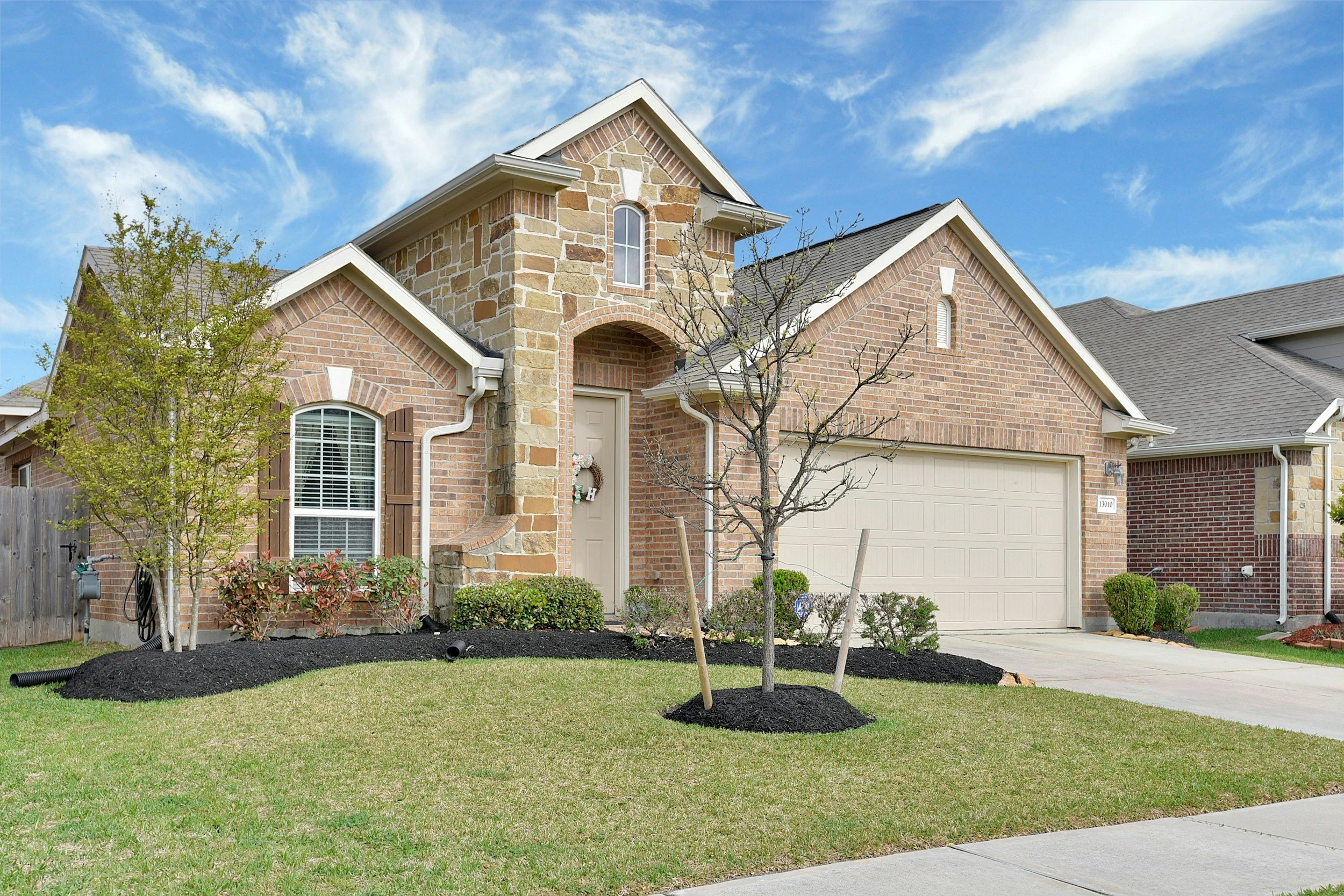
Three Ways Buyers Cheat On Their Agent (And Why It Always Costs Them)
Buying a new construction home or condo? Learn why the builder's sales agent represents the seller—and why having your own buyer's agent matters from day one.
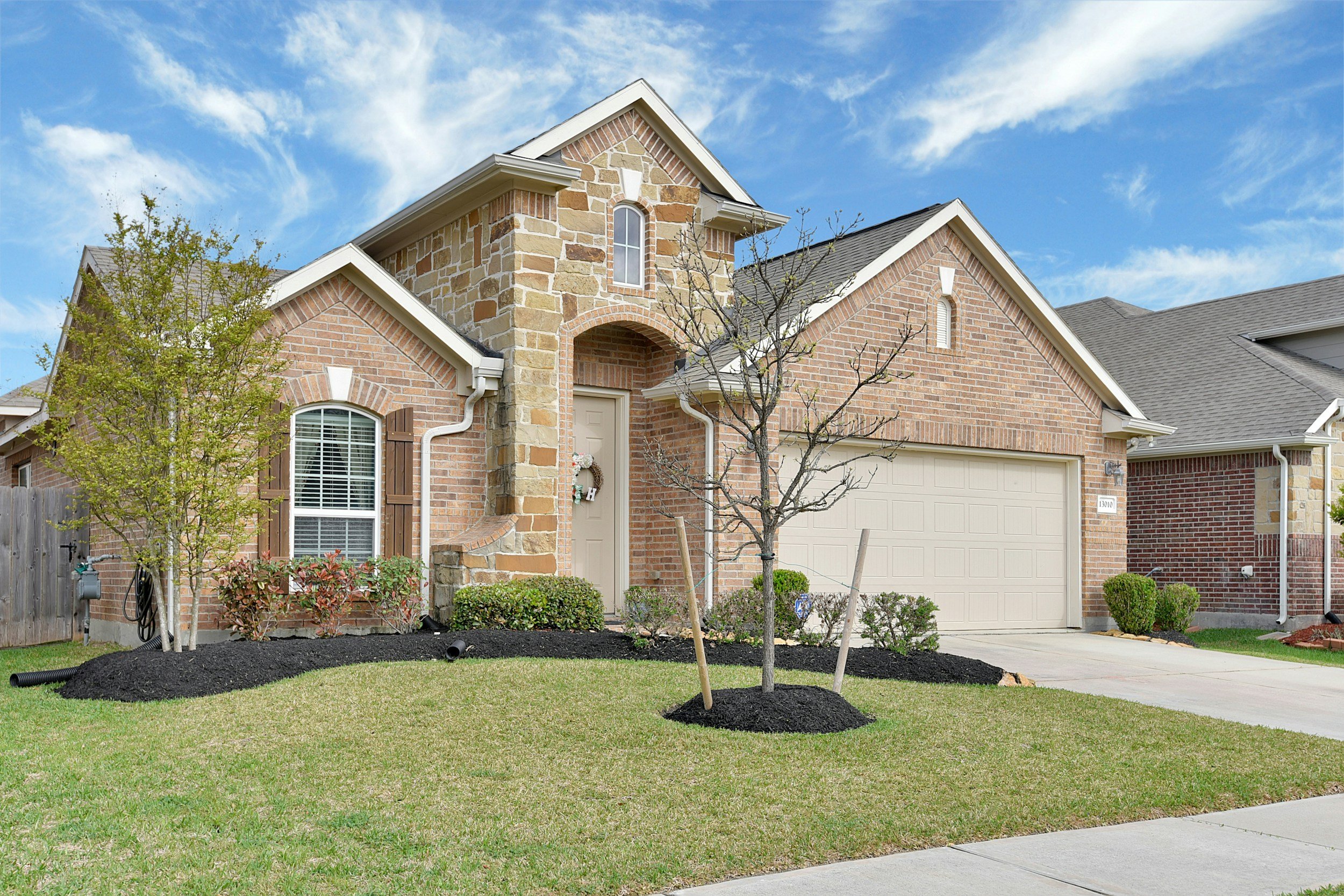
Every agent has this story. Weeks of searches, previews, and late night "is this a good deal" texts. Then the buyer goes quiet. Next thing you hear, they walked into a new construction sales office alone. Or clicked a Zillow "contact agent" button. Or toured a condo with the listing agent standing right there, grinning at both of them.
It's not betrayal. It just feels like it.
None of these shortcuts are actually cheaper. They just feel faster. Those are not the same thing.
New Construction
New construction is built to seduce you. Everything's shiny, the sales rep is warm, the model home is staged to make your actual life look aspirational. Nobody puts this on the sign out front: that friendly rep works for the builder. Not you. Their entire job is protecting the builder's margin. Some buyers don’t realize that you should bring your agent or at least disclose that you have one.
Walk in solo and you hand over your negotiator on upgrades, closing costs, and a contract written to protect exactly one party. Not you. Most builders still honor your agent's representation as long as you bring them on visit one. The model home isn't going anywhere. Bring backup.
Condos
Condos hide their landmines in paperwork. HOA docs, reserve studies, special assessments, rental restrictions, pending litigation. The list is long and boring enough that people skip it. That's exactly when you need someone paid to actually read it, you know, like me!
Touring with the listing agent feels efficient. It also means the person fielding your questions about the building's finances represents the seller. They owe you nothing about that special assessment vote next month. Efficient and informed are not the same thing.
Zillow Leads
This is the big one. Midnight scroll, "contact agent" click, and now you're talking to whoever paid for that lead. A stranger. Doesn't know your budget, your story, your deal breakers. Optimizing to close you fast, not to find you right.
That listing is public. Nobody paid to find it, and it definitely wasn't exclusive to whoever's name popped up on that button. Send the same listing to your own agent instead. Same house, same price, except now the person showing it to you already knows what you actually want.
The Pattern Isn't Subtle
Same appeal every time: faster, more direct, no middleman. Same truth every time: that "middleman" is the only person in the deal whose job is representing you. Builders represent builders. Listing agents represent sellers. Lead sites represent ad revenue. Your agent represents you. Not a technicality.
There’s nothing more disappointing than talking with a potential buyer and then finding out they used a listing agent or lead to purchase. Loop them in before the model home, before the condo tour, before the click. Costs you nothing. Might be the only person in the room actually on your side and in the end could get you a better deal made for you.
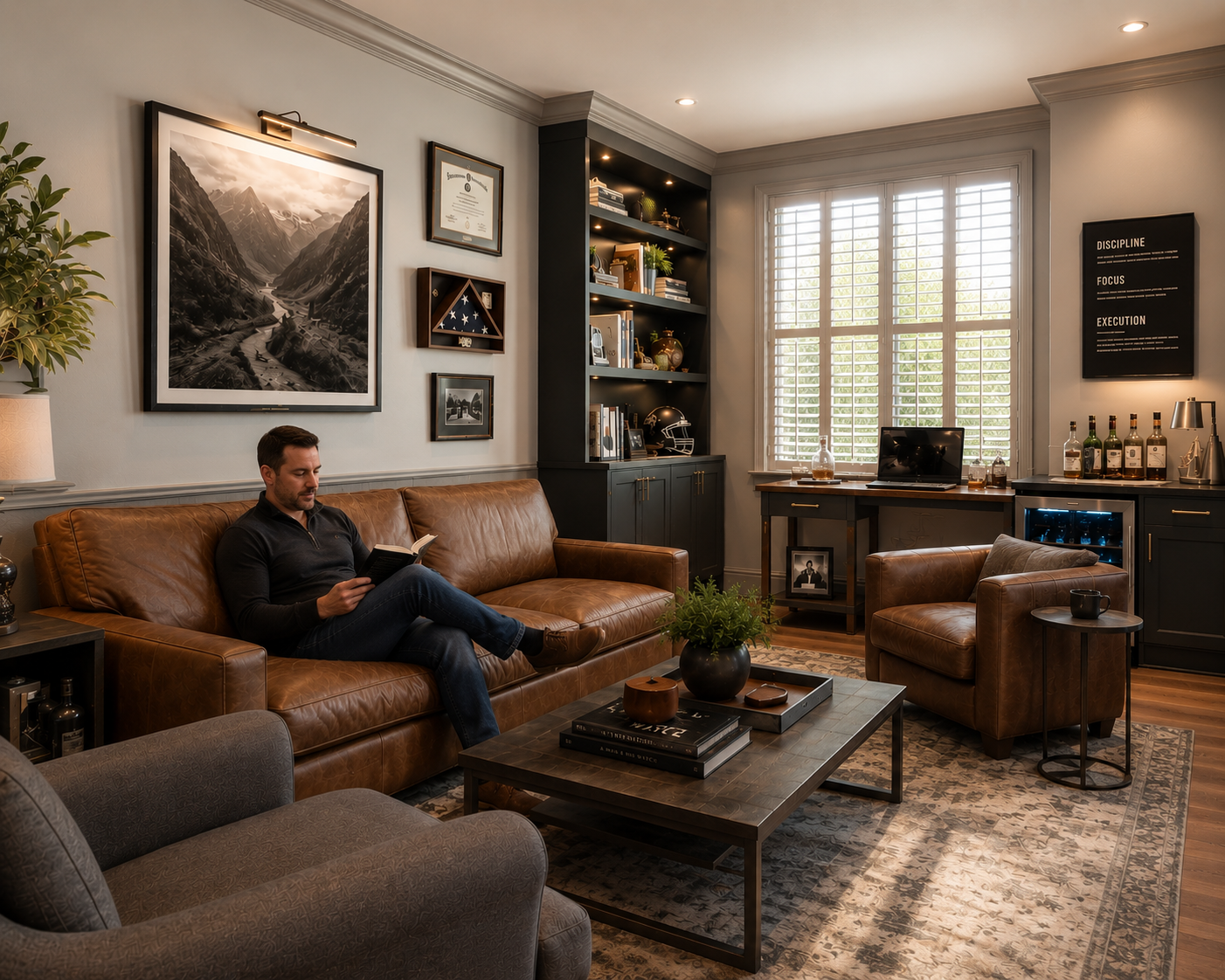
Your Man Cave Called. It Wants to Grow Up.
The man cave had potential all along. Here's how to create a sophisticated, comfortable space that actually feels like him — no word art or throw pillows required.
Dad, Use Your Words!
There is a man in your life who, when asked what he wants for Father's Day, will say "nothing." When asked how he wants his living room to look, will say "I don't know, whatever you think." When shown two throw pillows, will say "they look the same to me."
Psssh, he might not be saying it, but he does care and is screaming inside with ideas.
That very same man has very strong opinions about his chair. He knows exactly where the remote goes. He has a specific spot for his coffee cup and a quiet but firm reaction when someone moves his stuff. He cares. He just hasn't been given permission to care out loud.
So this one's for him. And honestly, for whoever is shopping for him.
Sophisticated Dad decor is not a contradiction. It's actually one of the most satisfying design challenges there is — spaces that feel lived in but intentional, comfortable but not sloppy, personal without being precious. Think leather that actually gets better with age. Wood tones that feel warm instead of builder grade. A bookshelf that holds real things he actually reads or collects, not decorative objects that exist purely to be dusted.
The formula is pretty simple: start with one anchor piece he genuinely loves — the worn leather chair, the vintage record cabinet, the bar cart he built himself — and build the room around that. Let the thing he already chose tell you the story of the room.
Creating a space for Dad shiuld feel intentional and not overdone.
Keep the palette grounded. Warm neutrals, deep greens, navy, whiskey browns. Nothing that requires explaining.
Layer texture over color. A wool throw, a jute rug, matte finishes on the hardware. The room should feel good to be in, not just good to look at.
Give everything a home. The man who says he doesn't care about decor absolutely cares about clutter. Built ins, trays, baskets with lids. Contain the chaos and he will love the room without knowing why.
Make it smell right. A cedar candle or a leather diffuser does more for a space than most people realize. Scent is the detail that makes a room feel finished.
Rooms like this are just as important in value as the “craft room”. Dad needs a space to call his own just like anyone else and when you create these areas in a home, the story gets broader. When it’s time to sell, purchasers can see versatility and inclusiveness that goes beyond the standard spaces.
I think a lot of men want some class and elegance in their lives. Not in a pretentious, untouchable way — but in a "this room actually feels like me" way. A place that absorbs the weight of a hard day the moment they walk through the door. Somewhere they can decompress alone or pull their people together and just be able to hang in comfort.
They just never felt like they were allowed to ask for that.
So consider this permission. His space should be his own, something more than a recliner pointed at a TV. No word art or throw pillows with inspirational quotes. Just a room with some soul, some comfort, and enough intention to make it clear that the man who lives here knows where home is.

The Best Graduation Gift Nobody Gave You
What if your diploma came with a down payment? Richmond home values have nearly tripled since 2015. Here's what every new grad needs to know about real estate.
Graduation season is here. The caps are in the air, the cards are stuffed with cash, and somewhere out there a well-meaning relative is handing a new grad a card that says "The world is yours!" — along with a check for $200.
Sweet. Totally useless. But sweet.
Here's a thought I want you to sit with for a second.
What if, back when you walked across that stage — let's say the Class of 2015 — someone had handed you a down payment on a house instead?
In 2015, the median home price in Richmond was around $145,000. Today that same home is worth somewhere north of $400,000. That is not a mistake. That is a gain of over $250,000 in equity sitting quietly in a house while you were out here living your life.
You would have bought a whole asset for what some people are currently paying in rent every two years.
Now I know what you're thinking. "I was 18. I didn't know anything about buying a house." Fair. Nobody told you. That's actually the problem I'm pointing at.
We spend twelve years in school learning things most of us will never use again, and somehow "how to build wealth through real estate" never made the syllabus. Algebra: mandatory. Understanding equity: optional. Cool system we've got.
So here's what I want to say to every grad crossing the stage right now:
You are not too young. You are not too broke. You are not too early. You are exactly on time — if you start paying attention right now.
Richmond is still one of the best markets in the country for first time buyers. It's affordable relative to other East Coast cities, it has strong appreciation history, and it has neighborhoods with actual character and soul. This city rewards people who get in.
The grad who buys something modest at 22 is the one sitting pretty at 32 while everyone else is still writing rent checks to someone else's mortgage.
So now that you’ve walked across that stage, how about walking over the threshold?
Ready to talk about what homeownership could actually look like for you? Let's connect.
Thinking About Selling in Richmond? Here's What You Need to Know Right Now.
Selling your Richmond home? Here's what the market is really telling sellers right now…
If you've been sitting on the fence about selling your Richmond-area home, the current market has something important to tell you, but it's more nuanced than the headlines suggest.
The short version: sellers still have the advantage. But the rules have changed.
Richmond remains firmly a seller's market. Inventory sits at just 2.1 months of supply — well below the 4–6 months that would signal a balanced market. Median home prices hit $415,000 as of March 2026, up 3% year-over-year. Zillow ranked RVA the #9 most competitive housing market in the country. Demand is real, sustained, and backed by a strong local economy that added over 22,000 jobs in 2025 alone.
That's the good news.
Here's what sellers need to understand in 2026: the automatic bidding war era is over. During 2021–2023, nearly anything priced within reason sold fast, often above asking, with minimal effort. That's no longer the case. Today, roughly 34% of Richmond homes are selling below list price. Buyers are more cautious, more price-sensitive, and far less willing to overlook deferred maintenance or aggressive pricing.
What this means for you practically:
Pricing strategy matters more than ever. Overpriced homes are sitting, and if it sits, buyers start to wonder. A well-priced home in good condition still moves quickly and still attracts competitive offers. The "sweet spot" right now is a home that is updated, well-maintained, and priced to reflect today's comps.
Presentation is no longer optional. Professional photography, strong curb appeal, and move-in ready condition are the baseline expectation for today's buyer. Homes that check those boxes are still getting strong attention. Homes that don't are getting price reductions.
Timing works in your favor. Spring 2026 is showing real momentum. Virginia just closed its strongest first quarter since 2022, with sales up 8.8% year-over-year. Buyer activity is picking up and new listings are moving.
The bottom line for Richmond sellers: You are still in a position of strength, but that position requires strategy, not assumption. Price it right, present it well, and the market will respond.
Thinking about listing? Let's talk about what your home is worth in today's market.
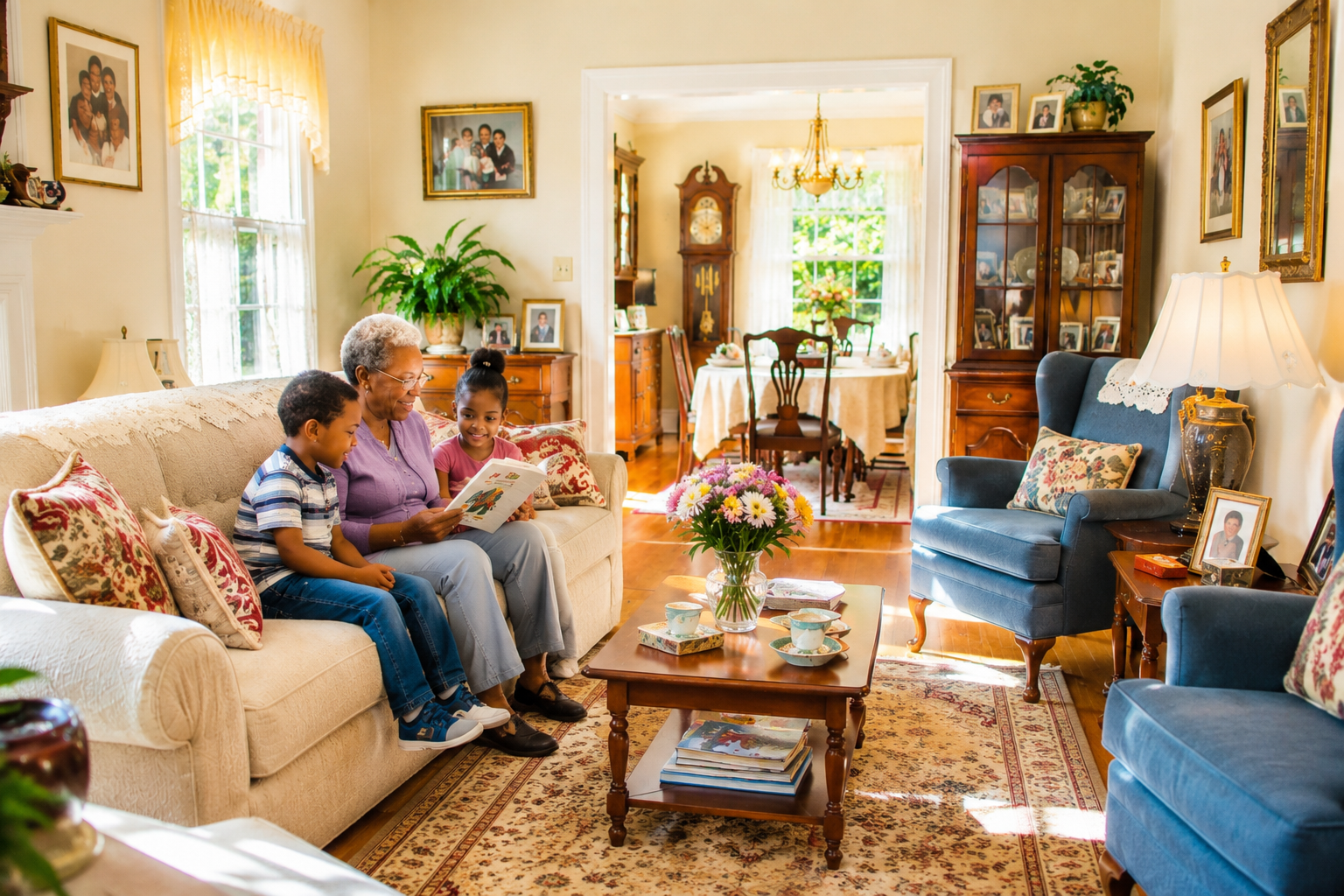
I Told You So
Ditch the beige! Discover the home decor trends moms are loving in 2026 from Grandma Chic to biophilic design.
Every year, the design world gathers in hushed, reverent tones to announce the hottest new trends in home décor. Pinterest boards are updated. Instagram feeds shift. Interior designers charge a lot of money to explain what's "in."
And every year, somewhere, a mom says "I told you so."
Because here's the thing about 2026's biggest home décor trends: your mom — and quite possibly her mom — was already doing all of this. Decades ago. Without a mood board or a TikTok tutorial in sight.
So this Mother's Day, let's pour one out for every mom who was just ahead of her time. Here are the trends taking over homes right now, and the mom who already nailed it.
Grandma Chic (Yes, Really)
The trend: Also called "Grandmacore" or "Curated Abundance," this is the design world's way of saying: floral sofas are back, patterned wallpaper is back, ruffled cushions are back, and maximalism is not only acceptable, but actually aspirational. The days of cold, sterile all-white interiors are over. Warm, layered, pattern-mixed rooms that look like someone actually lives in them are everywhere right now.
The mom who did this first: Every grandmother who ever had a floral couch, a china cabinet full of things nobody was allowed to touch, and a collection of decorative plates on the wall that somehow worked perfectly together.
She wasn't behind the times. She was a decade early. Maybe two.
How to get the look: Mix florals with stripes. Layer throw pillows shamelessly. Bring back the velvet. Display the china. Hang the plates. Call your grandmother and apologize for every eye-roll.
Wall Plates Are Having a Moment
The trend: Decorative plates displayed on walls are one of the fastest-growing décor trends of 2025–2026, showing up in kitchens, dining rooms, living rooms, and even bedrooms. Designers are calling it charming, whimsical, and deeply chic.
The mom who did this first: Your Aunt Betty, circa 1987. She had a full wall of blue and white Delftware in the dining room and you thought it was the most embarrassing thing you'd ever seen.
Aunt Betty for the W.
Pro tip: No two plate walls are the same, which means this is genuinely one of the easiest ways to add personality to a room. Hit up an estate sale, grab a mix of vintage and new, and get hanging.
Biophilic Design (That's Fancy for "Mom's Plant Collection")
The trend: Biophilic design: bringing natural elements, organic materials, and live plants into your home. It is one of the most enduring trends in interior design right now. We're talking natural wood, stone surfaces, linen textiles, earthy color palettes, and yes, lots and lots of houseplants. Studies actually show it makes people happier. Real estate listings featuring biophilic elements are among the fastest-growing on the market.
The mom who did this first: The one with seventeen plants in the living room (my mom), a basket collection in every corner, and linen curtains before linen curtains were a thing. You tripped over a terracotta pot every morning before school.
She wasn't a hoarder. She was a visionary.
How to get the look: Start with a few statement plants (a fiddle leaf fig, a monstera, or an olive tree if you're feeling bold), swap out synthetic materials for natural ones where you can, and embrace earthy tones like terracotta, chocolate brown, forest green, warm cream.
Moody, Dark Colors
The trend: The all-white everything era is officially over. Deep, rich, moody color palettes. We’re thinking dark green, terracotta, burgundy, chocolate brown, and navy. They seem to be dominating interiors in 2026. Designers are painting walls, ceilings, and even cabinets in dramatic, saturated hues. The bolder the better.
The mom who did this first: The one who painted the dining room burgundy in 1994 and everyone thought she'd lost her mind. Turns out she was just running on a 30-year design cycle.
That burgundy dining room? Extremely on trend.
How to get the look: You don't have to repaint everything. Start with one statement wall, a dark-painted piece of furniture, or even just swapping throw pillows and rugs for deeper, richer tones. Commit to at least one room. Be brave. Your mom was.
Cottagecore & English Country Style
The trend: The shift away from modern farmhouse (all shiplap, all the time) toward something warmer, more layered, and more English/French countryside is in full swing. Think mismatched textures, ornate fixtures, floral patterns, worn wooden furniture, and spaces that feel like they evolved organically over decades rather than being staged for a photoshoot.
The mom who did this first: Any mom who ever dragged the family to an antique store on a Saturday when everyone wanted to go to the movies. She was building her cottagecore aesthetic before cottagecore was a word. She just called it "shopping."
How to get the look: Embrace imperfection. Mix old and new. Don't match everything. Buy the vintage piece that speaks to you even if it doesn't technically "go." That's the whole point.
Thick Frames & Vintage Art
The trend: After years of minimalist thin frames and float-mounted prints, the design world is swinging back toward thick, chunky, vintage-style frames — especially for art displays. Gallery walls are getting warmer, more layered, and more personal.
The mom who did this first: Every mom who ever had a gallery wall of family photos in thick wooden frames going up the staircase. You walked past those photos every day for eighteen years and never once thought: this is good design.
It is, though. It really is.
This Mother's Day, before you hand over the gift card or the flowers (both appreciated, never wrong), take a moment to look around at your mom's home or your grandmother's, look fresh?
That layered, pattern-mixed, plant-filled, plate-on-the-wall, dark-painted, slightly-cluttered space she's been living in for thirty years?
Design Twitter just discovered it. They're calling it "intentional." They're calling it "curated." They're calling it a trend.
She's been calling it home.
For more on this home look, click below:
A Mother's Day Gift Guide to Finding Home
Looking for the best neighborhoods for families in Richmond, VA? From Short Pump to Midlothian, find your perfect fit this Mother's Day.
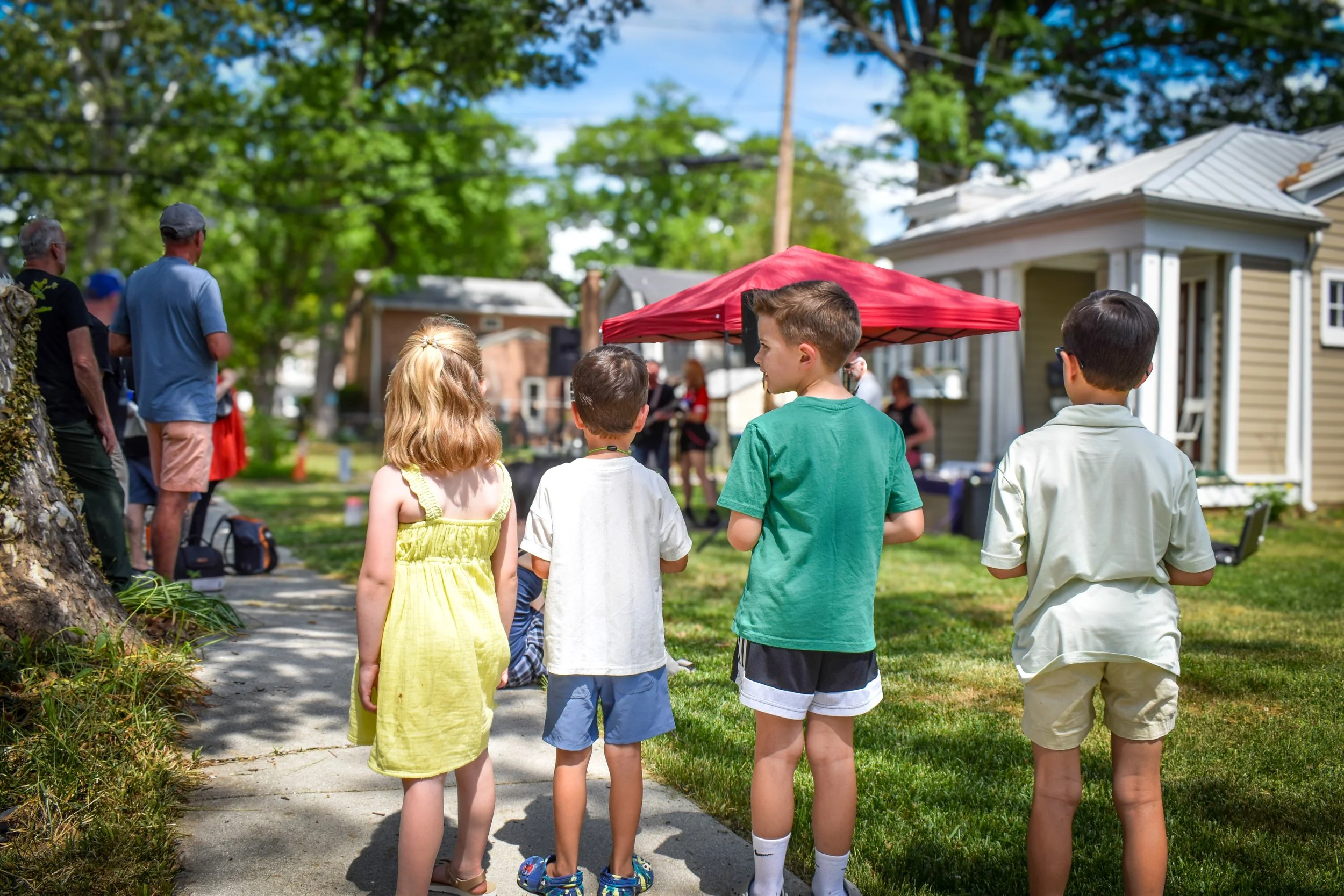
Photo by: Jo Ann Breaux | Porchella in Bellevue, 2026
Home is where dirty socks and tablets scatter. Home is where kitchen chaos and angsty teens slam doors. And home is where mom should feel confident in her surroundings.
Here are a few choice Mom-friendly areas in and around Richmond that are built for putting down roots.
Short Pump & Twin Hickory (Henrico County)
Best for: Families who want top-rated schools, newer construction, and everything 10 minutes away.
Short Pump is the Richmond suburb that basically has everything. Great schools, major shopping (Short Pump Town Center), a growing dining scene, and neighborhood amenities that make weekends easy. Henrico County Public Schools boasts a strong on-time graduation rate, and the county continues to invest heavily in education and recreation.
What the data won't tell you: Short Pump moves fast. Well-priced homes in top school zones often receive multiple offers within days. If you're targeting this area, you need to be ready, pre-approved and decisive.
Price range: Varies widely, from the mid-$300s for townhomes to well over $700k for larger single-family homes in established subdivisions.
Mom's verdict: High convenience, low stress. The kind of neighborhood where you can run errands, pick up the kids, and grab dinner without getting back on the highway.
Midlothian (Chesterfield County)
Best for: Families who want a little more space, a little more green, and still excellent schools.
Midlothian is quietly one of the most well-rounded suburbs in the entire Richmond metro. You've got established communities like Salisbury (golf, pool, large lots), RounTrey (resort-style amenities, newer builds), and Hallsley (a nationally recognized luxury community). Each one has its own character but all delivering on the fundamentals: great schools, strong resale value, and a sense of neighborhood.
Home prices range from the $400s into the $1.5M+ range depending on the community. And the commute? Easy access via Route 288 and the Powhite Parkway keeps downtown Richmond well within reach.
What the data won't tell you: Not all of Midlothian is created equal. School zones can vary significantly even a few streets apart. It helps knowing which subdivisions feed into which schools.
Hidden gem alert: Moseley, just southwest of Midlothian, is one of the fastest-growing new construction markets in the entire Richmond metro. If you want brand-new without the Goochland price tag, this is worth a serious look.
Glen Allen (Henrico County)
Best for: Families who want suburban comfort with easy access to the West End and I-295.
Glen Allen delivers the full suburban package — great schools, established neighborhoods, diverse price points, and the kind of community feel that makes people stay for decades. It's one of the most searched areas in Henrico County for families, and for good reason: the combination of location, amenities, and school quality is hard to beat.
Price range: Generally mid-$300s to $700k+ depending on the neighborhood and home size.
Mom's verdict: Reliable. Solid. The kind of place where neighbors actually know each other.
Bon Air (Chesterfield/Richmond border)
Best for: Families who want character, mature trees, and a more relaxed pace without sacrificing proximity to the city.
Bon Air is one of those neighborhoods that people discover and never want to leave. Oversized wooded lots, charming older homes, walkable to small shops and the local library, and a genuine community feel that's increasingly rare. It sits right on the Chesterfield/Richmond county line, which means you'll want to check school zones carefully, but the payoff in terms of lifestyle is real.
Bon Air straddles the Chesterfield/Richmond city line, meaning school quality can vary dramatically street by street. Homes on the Chesterfield side feed into James River High School, one of the top-ranked public high schools in Virginia. Three blocks away, it's a completely different story. This is not a neighborhood to navigate on your own.
Price range: $400s to $800k+.
What makes it special: Bikeability. Mature tree canopy. A neighborhood where kids still play outside, and nature that sits in your backyard.
The Fan & Museum District (City of Richmond)
Best for: Moms who love walkability, culture, historic architecture, and a neighborhood with actual personality.
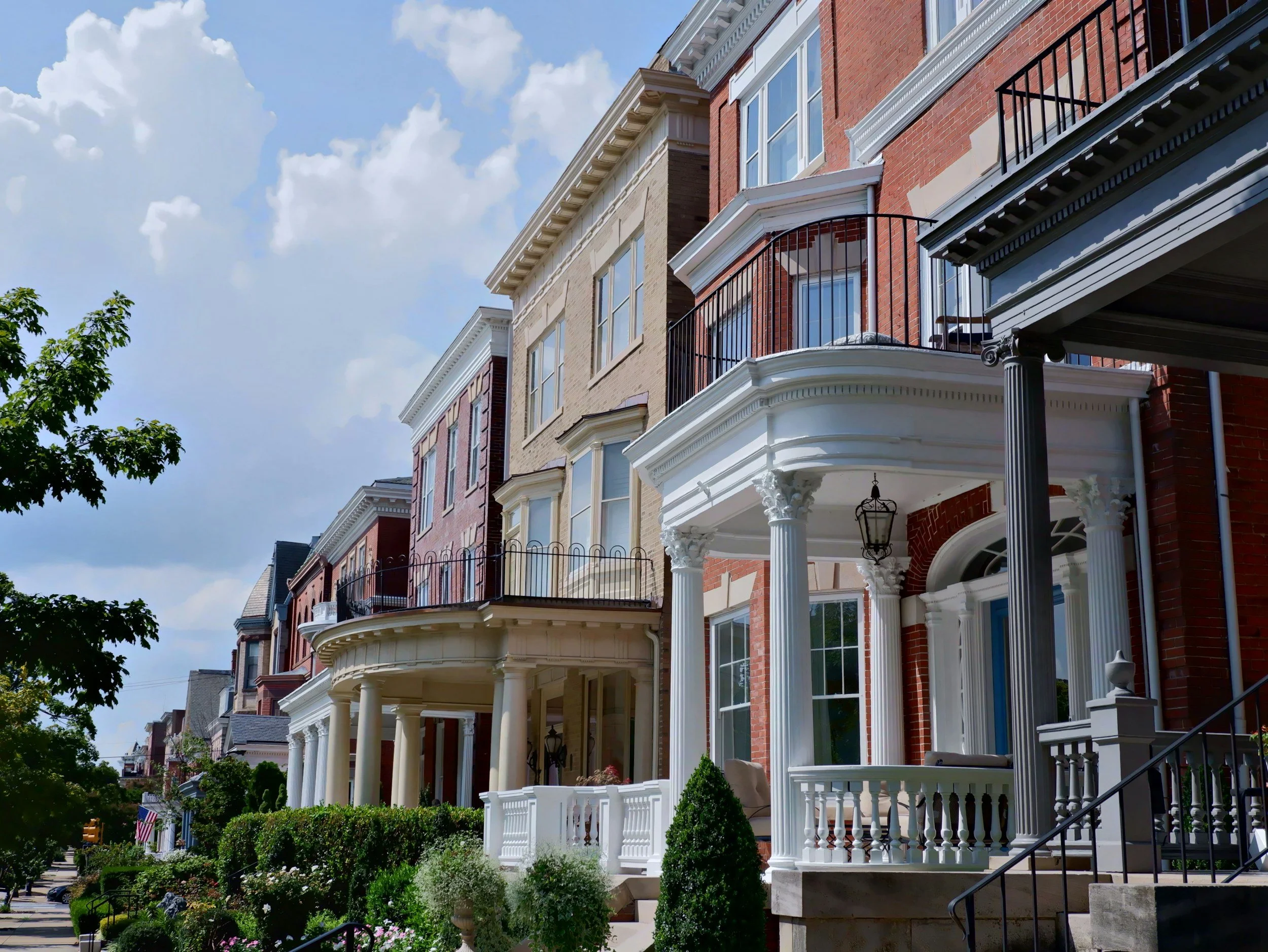
Not every mom wants a backyard and a cul-de-sac. For the family that wants to walk to restaurants, bike to the VMFA, and live in a stunning historic rowhouse, The Fan and Museum District deliver something the suburbs simply can't.
Tree-lined streets, incredible architecture, and access to some of Richmond's best dining and culture make this one of the most sought-after urban neighborhoods in the state.
Public schools in The Fan are a mixed bag with William Fox Elementary as well-regarded, but middle and high school ratings are more modest. That said, Richmond's magnet and private school options, including the highly competitive Maggie L. Walker Governor's School, give motivated families a compelling alternative.
Price range: Mid-$500s to $1M+ for historic rowhomes and single-family properties.
Reality check: Parking can be challenging. Yards are smaller. But the walkability score and neighborhood energy are unmatched in the region.
Mechanicsville (Hanover County)
Best for: Families prioritizing affordability, stability, and top-notch Hanover County schools without the premium price tag.
Mechanicsville doesn't get the flashy press, but families who land here tend to stay here. Hanover County schools are consistently well-regarded, the area is growing with new development and infrastructure investment, and property taxes are lower than city rates. It's the kind of place where you get more house for your money and a strong sense of rooted community.
Price range: Generally more affordable than Henrico or Chesterfield equivalents, a major draw for growing families watching their budget.
Mom's verdict: Smart money. Great schools. Room to breathe.
Bellevue (North Richmond)
Best for: Buyers looking for affordability, charm, and a tight-knit community feel close to downtown.
Bellevue is one of those neighborhoods that earns its reputation the old-fashioned way. A predominantly single-family neighborhood just 10 minutes from downtown, it's known for its cute bungalows and varied architecture amongst community driven neighbors. Mom can be confident her kids will be biking til dusk on the wide, tree-lined avenues. You’ll also find neighborhood haunts, food truck nights, a beloved Garden Walk, and seasonal porch concerts. Turnover is rare here and prices have climbed to reflect just how desirable it's become, but you can still find some affordability in the nearby neighborhood of Rosedale.
Linwood Holton Elementary is a genuine neighborhood highlight. It is well-rated, walkable, and beloved. Middle and high school options through Richmond Public Schools are more modest, though magnet programs like Maggie L. Walker remain accessible. Families willing to explore private options will also find solid choices nearby
Price range: Median around the mid-to-high $500s — prices have appreciated significantly in recent years, reflecting just how much demand this neighborhood has earned.
So, Which Neighborhood Is Right for You?
Here's the truth: the best neighborhood isn't the most sought after one. Mom’s need to find the one that fits her family the best and that includes an all-encompassing home.
The right answer depends on:
School district: Are you prioritizing elementary, middle, or high school?
Commute: Where do you (or your partner) work, and how much drive time is acceptable?
Budget: Not just what you can afford today, but what you want your equity to look like in 5–10 years
Lifestyle: Walkable urban vibe vs. yard-and-garage suburban vs. rural acreage?
Speed of the market: Some of these areas are extremely competitive. Knowing what to expect before you start looking is the difference between landing the home and losing it.
This Mother's Day, Give the Gift of Home
Whether you're buying for yourself or helping a mom in your life find her forever neighborhood, there's no better time than now to start the conversation.
I know this market. The streets, the school zones, the neighborhoods that move fast, and the hidden gems that are still underpriced. Let me help you find the right fit.
Schedule a free, no-pressure neighborhood consultation, and let's find the home that fits your family.
Who’s Falling for Richmond?
Who’s moving to Richmond in 2026? Explore the new Southern buyer, migration trends, and why Richmond, VA continues to attract professionals, creatives, and returning residents.
The New Southern Buyer in 2026
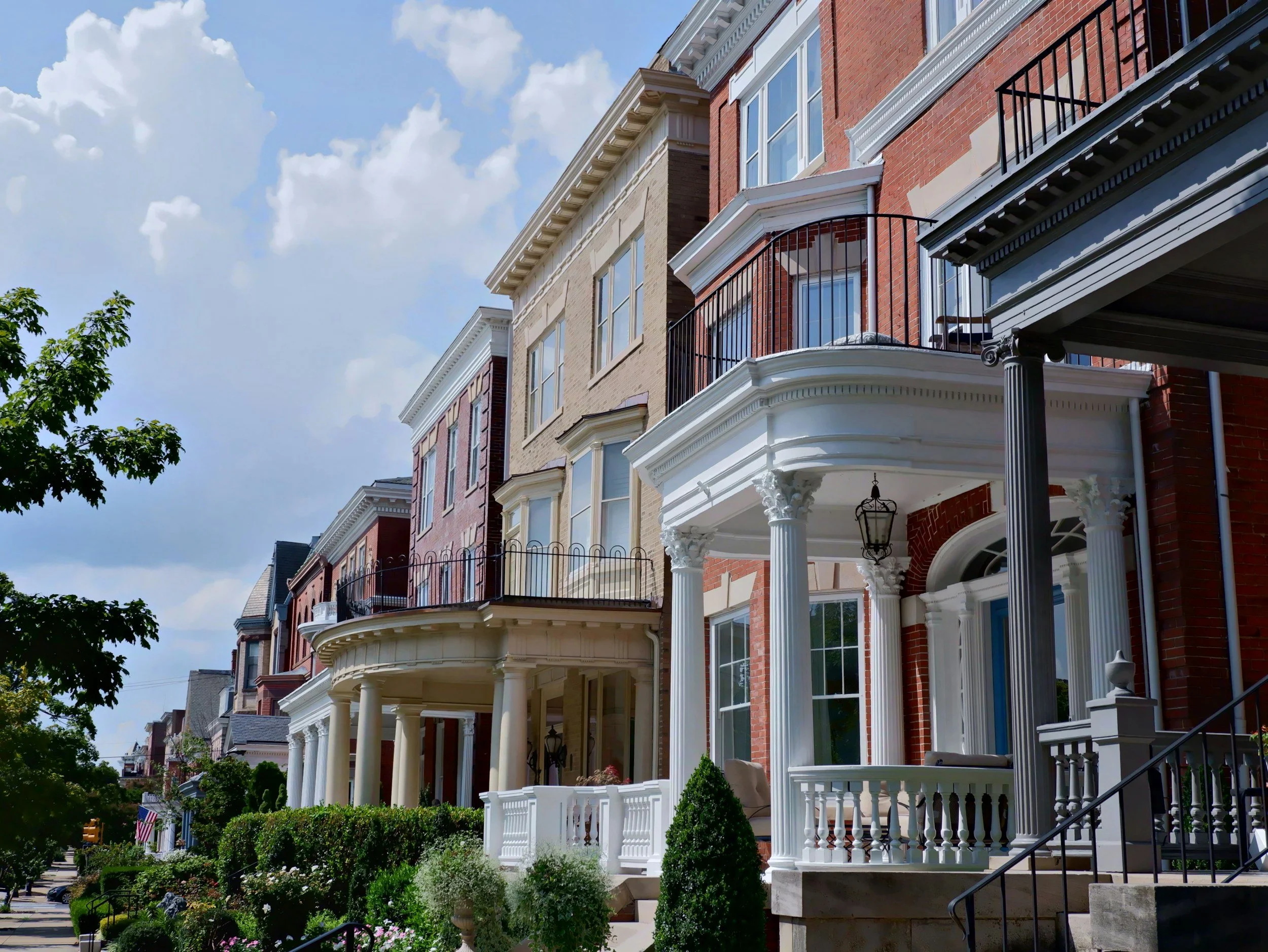
Photo by: Stephanie Rhee
With over 52,000 people moving into the Richmond area since 2020, it is not absurd to think, “They like us! They REALLY, REALLY like us!” Let’s be honest, we have a lot of charm and a lot of green flags. Transplants and returnees desire some character in their surroundings, and with RVA having walkability, culture that fits different lifestyles, and a diverse topography, it is no wonder why we get chosen time and time again.
So who exactly is falling for us?
Let’s take a look.
The Northern Transplant
Those Nawtheners are coming from New York, New Jersey, Boston, and D.C. Their jobs are remote or hybrid and they’ve been priced out of the metropolitan areas. What you can have in RVA including a yard and garage far surpasses the high price points of these cities. These are people who are tired of the hustle and bustle and want more space to breathe. We are a centralized location making it easy for commutes as well.
These folks are looking for an upgrade and will more than likely find themselves in The Fan, Church Hill, and the Museum District while others will find a lot more square footage and good schools in the West End, Moseley, and UofR neighborhoods.
The Remote Creative
Richmond is has become a mecca for creatives. It has quietly become one of the most respected creative hubs in the country, and that’s not accidental. Between the talent pipeline coming out of VCU’s Brandcenter and the long-standing presence of The Martin Agency, this city knows how to produce thinkers and makers who understand both strategy and storytelling. We have a strong creative community that is collaborative without the ego.
Creatives seeking home here will more than likely enjoy Church Hill, Scott’s Addition, Manchester, and Carytown. Lifestyle will win over square footage for them, and having a vibrant art scene entices these movers.
The Richmond Curse
More than likely our former neighbors didn’t do their respective 50 laps around Monroe Park and have found themselves home once more. We’re seeing a noticeable return of buyers who grew up in Virginia, spent time in Charlotte, Atlanta, Nashville, or D.C., and are now ready for something more settled.
These homecomers have migrated to a new phase in life where they’re thinking about schools, space, raising families near grandparents. But they have a need to maintain a lifestyle that is active and accessible. We’ve maintained Southern hospitality without stagnation, growth without losing identity.
Richmond never loses it’s familiarity no matter how much the landscape changes, and what were once crime heavy neighborhoods are now sprinkled with yoga pants and baby strollers.
The Intentional Downsizer
We’ve noticed an increase of empty nesters moving to Richmond city proper. They want less house, but more walkability. They are big restaurant people and want to walk to the coffee shop in the morning to get their lattes and scones. These are movers that want a minimalistic home with low maintenance, but an area that will enhance their well-being.
They want connection over isolation, and quality experiences and discoveries without being overwhelmed by big city living.
The Perfect Match
We are the biggest little city in Virginia. People move here for all sorts of reasons. Due to its proximity to the ocean, the mountains, and other big cities, it is primed for desire. It is easy to navigate, has diverse neighborhoods and architecture, embodies charm and sophistication, and you honestly never know who you’re going to run into.
Sometimes we want to keep it our little secret, but at the same time wear her on your arm like she was your most prized heirloom. We cater to so many different types of people, lifestyles, and cultures that Richmond feels like a Bridgerton in season. Talked highly about, a little rough around the edges in places, but undeniably attractive and impossible to ignore.
Why Investors Need the Right Lender
Why the right lender matters for real estate investors—and how smart financing can strengthen your offers, protect your ROI, and help you scale faster in the Richmond market.
Photo by Jill Evans
Real estate investing moves fast. Richmond’s market especially loves to keep you on your toes—one minute you’re running numbers on a duplex in Northside, the next you’re in a bidding war with three cash buyers and someone’s uncle who’s “thinking about getting into flipping.”
And while investors obsess over cap rates, rents, and whether the roof is about to retire, too many skip the most crucial part of the whole equation:
Your lender. Your actual teammate. Your deal’s co-pilot.
Not all lenders understand investors, and that’s where deals fall apart. If you want to make money—not headaches—you need the right person handling your financing.
Here’s why.
Investors Live and Die by Speed and Certainty
This isn’t the land of slow underwriting and surprise conditions. Investment deals move fast, and you need someone who actually answers the phone.
A great investment lender understands:
How to close quickly
How to communicate clearly
How to underwrite investment properties
Your offer is only as strong as the person backing your financing.
Investor Loans Are Their Own Animal
This is not 30-year conventional suburbia. Choosing the wrong lender can wreck cash flow before closing day.
The right lender knows:
DSCR loans
Portfolio products
Renovation financing
Short-term + bridge options
How to structure deals that actually make sense for investors
Investors Need Problem-Solvers, Not Paper-Pushers
Investment properties rarely behave. They come with tenants, half-finished renovations, title issues, or “exterior character.”
A good lender doesn’t panic…they troubleshoot. They know how to pivot. They get ahead of problems so your deal doesn’t crumble.
The Right Lender Understands Richmond’s Rhythm
You want someone who knows the market—not someone googling ZIP codes.
Great investor-focused lenders know:
Which neighborhoods rent easily
How appraisers treat multi-units
What sellers respond to
How to structure your file so your offer lands
Your Financing Reputation Follows You
Investors who consistently close smoothly get more opportunities. Agents talk. Sellers remember. Lenders build your credibility before you even write the offer.
Show up with a stellar lender behind you, and suddenly:
Your contracts get picked
Your timelines tighten
Your momentum grows
Show up with the “low-rate, no-service” option, and you’ll be explaining delays to everyone, including your own future self.
The Right Lender Protects Your Long Game
This is wealth-building, not one-off buying.
A smart lender helps you:
Maintain liquidity
Preserve your debt ratios
Avoid tax-time surprises
Scale intentionally
Plan your next buy while finishing the current one
A bad one just closes the loan and disappears.
The Real(t)
Your lender can make you money or cost you money—before you ever pick up the keys.
Investors need lenders who speak the same language, move at the same pace, and understand the strategy behind every purchase. If you want your investments to grow instead of stall, choose your lending partner like it actually matters. They are like a good hair stylist, once they give you a great look, you stick with them.
If you want a vetted list of investor-friendly lenders I trust here in RVA, I’ve got names. Good ones.
Just reach out to me.

Changing the mindset
Buying a home today isn’t impossible—it’s about mindset. I share how to rethink homeownership, build equity, and buy smart in any market.
As the shift this year for me went from buyer to seller, I could not help but be faced with the challenges that brought my buyers to disappearing acts. I for one am no stranger to the difficulties everyone has faced these past few years in achieving home ownership. You’d think a winning lottery ticket had better odds than purchasing a home.If you’ve scrolled through headlines lately, you’d think buying a home right now requires a lottery win, a miracle, and maybe a time machine.
One of the hardest things about my job is —people’s opinions. The truth is, there really isn’t a “right” or a “wrong” time to buy a home. That is all dependent on the needs and ability of the buyer. Now, how we buy homes vs when we buy homes is a different story.
The Shift in Thinking
Buying was such an easy thing to do in the recent past. It was a free for all and the biggest question was “how much more am I going to bid on this home”. Where once the list was number of bedrooms, baths, and square footage has now been replaced with shifts in the mindset. what was once $350K affordability is now $475-500K. It’s no longer about the “forever” home, but the home that will take you to the next chapter.
We have to stop seeing homeownership as a one-time checkpoint. You might not love taking 2,500 square feet and compromising to 1,800, but it’s doable. Buyers need to change the mindset of perfection to progression. The question should be: What can I live in right now that will help me build the equity I need to obtain the home of my dreams?
Facts
Rates are temporary. Roots are not.
You can refinance a rate. You can’t refinance time lost waiting for perfection.Equity still happens in imperfect markets.
Richmond and the surrounding areas continue to grow. It’s slow and steady, but also people that come here, stay here. Every payment is a small deposit into your future wealth. Think of it as the long game.A home is more than numbers.
It’s stability. It’s security. It’s not paying someone else’s mortgage. It’s knowing that even when the world feels uncertain, you have a place that’s yours.Flexibility is power.
Maybe you buy smaller. Maybe you choose a neighborhood on the rise. The mindset includes creative planning. It’s about the investment whether you decide to rent a room or refresh the components, and if you can just stretch it out a bit, you as a buyer can thrive.
Rewriting the Narrative
Instead of asking, “Is it a good time to buy?” Ask, “Is it a good time for me?” Your goals, your finances, your phase of life, that matters more than someone else’s opinion.
This market rewards clarity. It rewards the buyers who come in informed, grounded, and guided by more than fear. If you can get pre-approved, understand your budget, and stay open to possibilities, you’re already ahead of half the crowd waiting for perfect conditions that may never come.
The Real(T)
Home buying isn’t just a financial decision; it’s an emotional one. You can choose to go out on the pitch or stay on the bench, but sacrificing some square footage at square one will leave you in a better place for the future. Don’t box yourself in and keep telling yourself you can’t because of this and that. The key is to plan, be creative, and think of your future. You define your path—consider possibilities rather than perfections.

Let’s Talk About Gentrification — Because Pretending It Isn’t Happening Helps No One
Gentrification in Richmond isn’t slowing down—but it doesn’t have to mean erasure. Let’s talk about how the city’s rapid growth can honor its roots, keep longtime residents included, and build a future where progress and preservation coexist.

Photo by: Jian Xhin
“I’m all for people becoming a part of our city, but I’m not a fan of people homogenizing it. If you’re going to move to an “up and coming” neighborhood, then contribute to it and respect what was in place.”
Richmond has always been a city of contrasts. Old soul, new blood. Brick and bourbon. Corner stores turned coffee shops. You can stand on a block that’s been the same for fifty years and, two doors down, find a new restaurant bar glowing with Edison bulbs pouring $15 cocktails with a bar full of…non-Richmonders.
That’s the thing about this city — it keeps changing its outfit. And lately, the change feels faster than ever.
“Gentrification” is the word everyone whispers like it’s a curse. And depending on where you stand, maybe it feels like one. Rising home values, safer streets, fresh paint — sure. But also: rent hikes, relocation, and the slow fading of long-held bar stools.
The truth? Gentrification is coming whether we sign off on it or not. The question isn’t if it happens — it’s how we handle it.
Let’s Start With Some Honesty
Richmond’s popularity didn’t happen by accident. People are moving here because it still feels authentic. It’s creative, gritty, soulful — and (for now) a bit more affordable than the bigger metros circling us. But all that love and investment comes with a cost if we’re not paying attention.
When neighborhoods get “discovered,” the ripple isn’t just economic — it’s emotional. The same front porch where someone’s grandma watched the block grow up might now overlook something that doesn’t look like her anymore. I for one can speak to it when I sit on mine and am no longer receiving the Hello’s or Good (insert time of day) by passerby.
So What Can We Do Differently?
Change is inevitable as I say, and although I cherish the nostalgic moments of the Richmond I grew up in, we can’t very well freeze time. But we can grow with intention.
Honor what was already here.
Every street has a story. Know it. Tell it. Whether you’re selling a home or moving into one, carry the history with you instead of deleting it. Tell people about your neighbors. Hell! Get to know the neighbors! You’d be surprised at how much you can learn from them especially in historic areas.
Work with the community, not around it.
Support the locals. If there is anything I cannot stand is watching people move into neighborhoods that don’t contribute or support it. Be a part of it by joining neighborhood organizations, clean-up days, and attend events happening in your area. Love Thy Neighbor people!
Push for fair growth.
Advocate for policies that keep housing mixed — incomes, ages, backgrounds. We need both the dreamers moving in and the folks who’ve been holding down the block for decades. This is essential. Diversity contributes to the thrive of a neighborhood and a good way to learn the history of it. You’re not moving into a hot spot, you’re becoming part of it.
Here’s the Heart of It
Change is natural. Erasure isn’t.
Richmond’s magic has always come from its layers — We are a rich and culturally diverse city. Having transplants isn’t always comfortable, but it does breathe new energy that contributes to old familiar ways. There is a place for everyone, and although gentrification might be inevitable, it doesn’t have to be a force of displacement. I’d like to see it be a movement of renewal with respect to what has been long established.